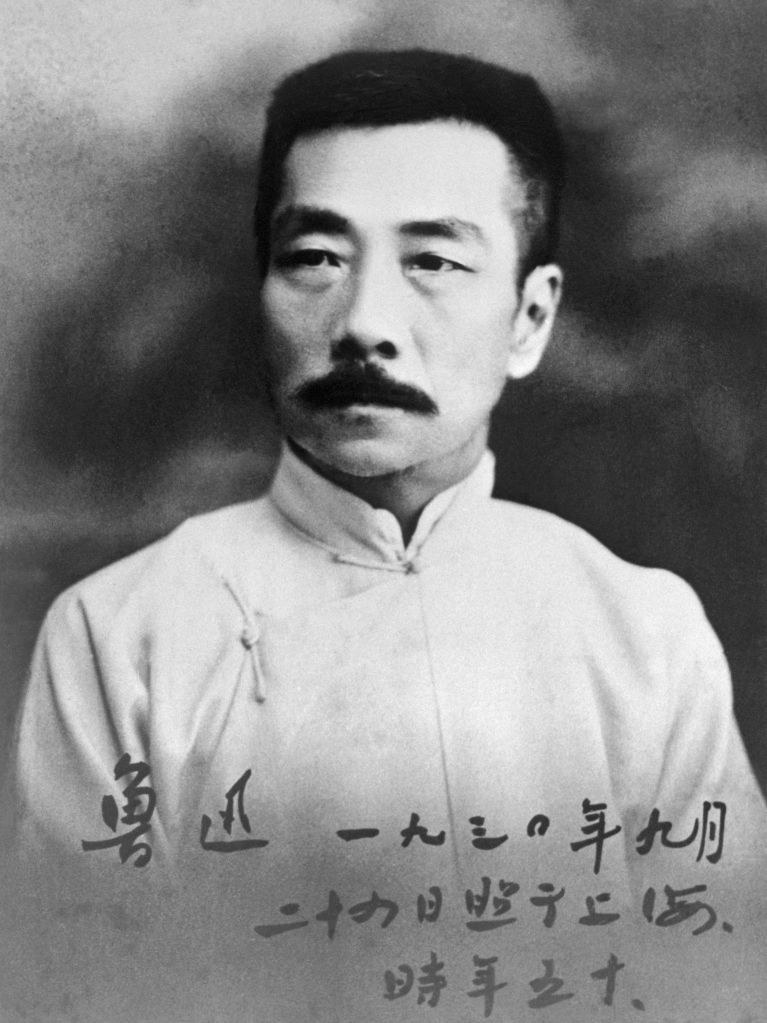
Short Story Genres Shape a New Era
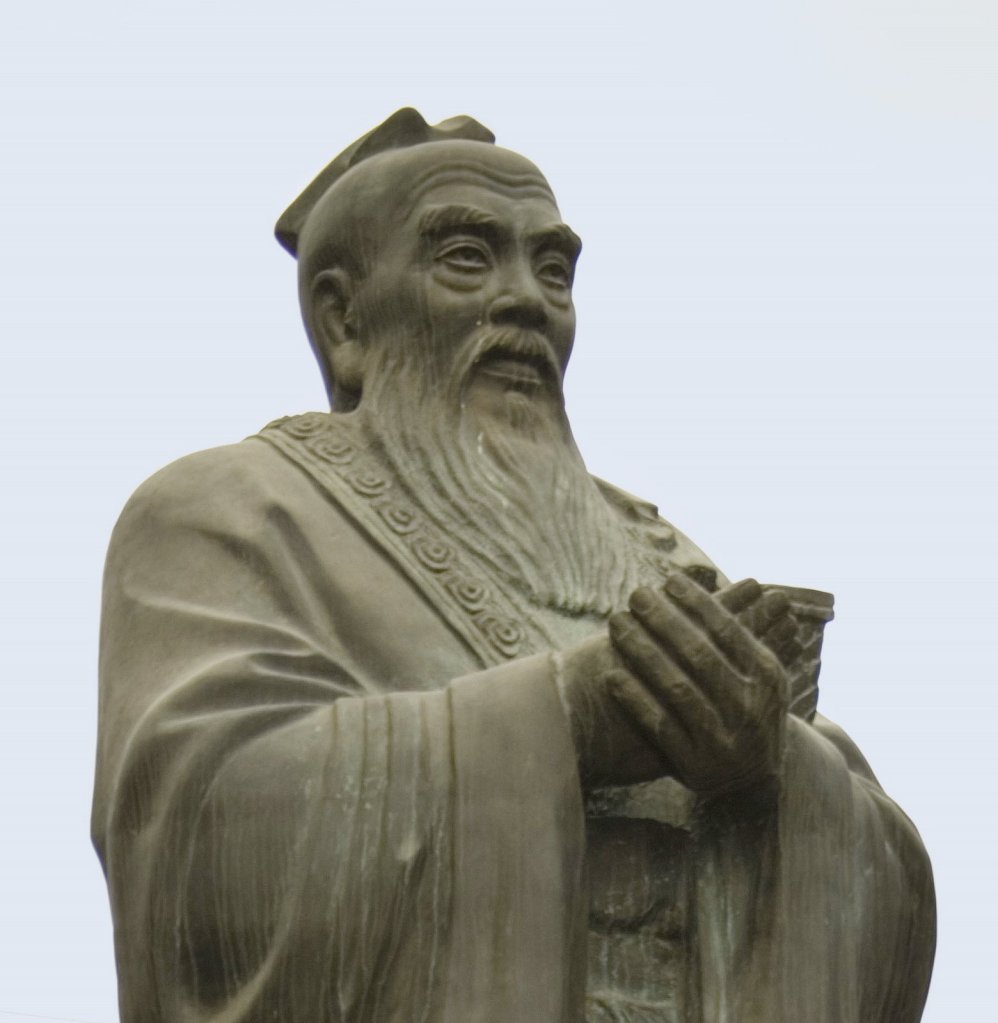
Confucius was the father of “wen”- a term used to describe the natural order of life. Confucians believe that humanity is good and that we can be the best versions of ourselves by applying good characteristics. The readings for this week revolve around the theme of how the genre of short stories evolved in Eastern literature with a New Culture Movement revolt against Confucius starting in the 1910’s.
Teaching the short-story genre
Teaching the Short Story Genre
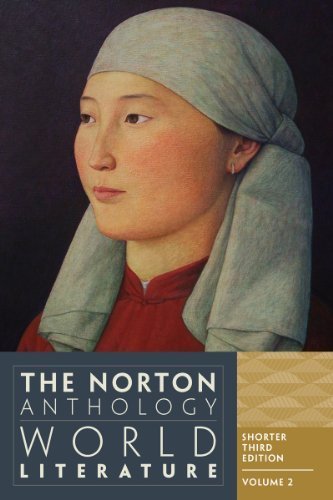
To begin, have students read “Man of La Mancha” by Chu T’len-Hsin, and “Diary of a Madman” by Lu Xun in Norton Anthology of World Literature Volume 2. Both short stories focus their attention around the depiction of loneliness, soul searching, and a pessimistic outlook on life. After reading the stories, have the students answer the following questions to the best of their abilities:
- In what ways did “Man of La Mancha” depict life after death?
- What did the younger brother in “Diary of a Madman” claim to witness as a child and how did it lead him to a totality of paranoia as an adult?
- After reading both stories, what modern themes are found that one can relate to the revolt of Confucian’s “wen”?
To better understand this theme, we will want to relate the stories to Eastern Chinese culture. Have students watch this video on Lu Xun’s Diary of a Madman. By watching this video, students will gain a better understanding on the dynamics behind the writing process of Lu Xun’s short story. Eastern Chinese culture is rich in after-death beliefs and traditionalists believe that there are dual souls upon death. Have students compare and contrast the thoughts of the main characters from “Man of La Mancha” and “Diary of a Madman” and relate it to the supernatural beliefs of traditional and modern Eastern Chinese culture.